“La imaginación en disputa”: first chapter of “Compost Engineers y sus saberes lentos” out in Spanish
#artificial intelligence #feminisms #speculative futuresThe first chapter of “Compost Engineers y sus saberes lentos”, a research project by Joana Varon and Lucía Egaña Rojas, has been published in Spanish in Revista 404, by Centro de Cultura Digital, in Mexico.
The text is titled “La imaginación en disputa” and starts from a question that runs through the whole research: which imaginaries inspire the development of artificial intelligence?
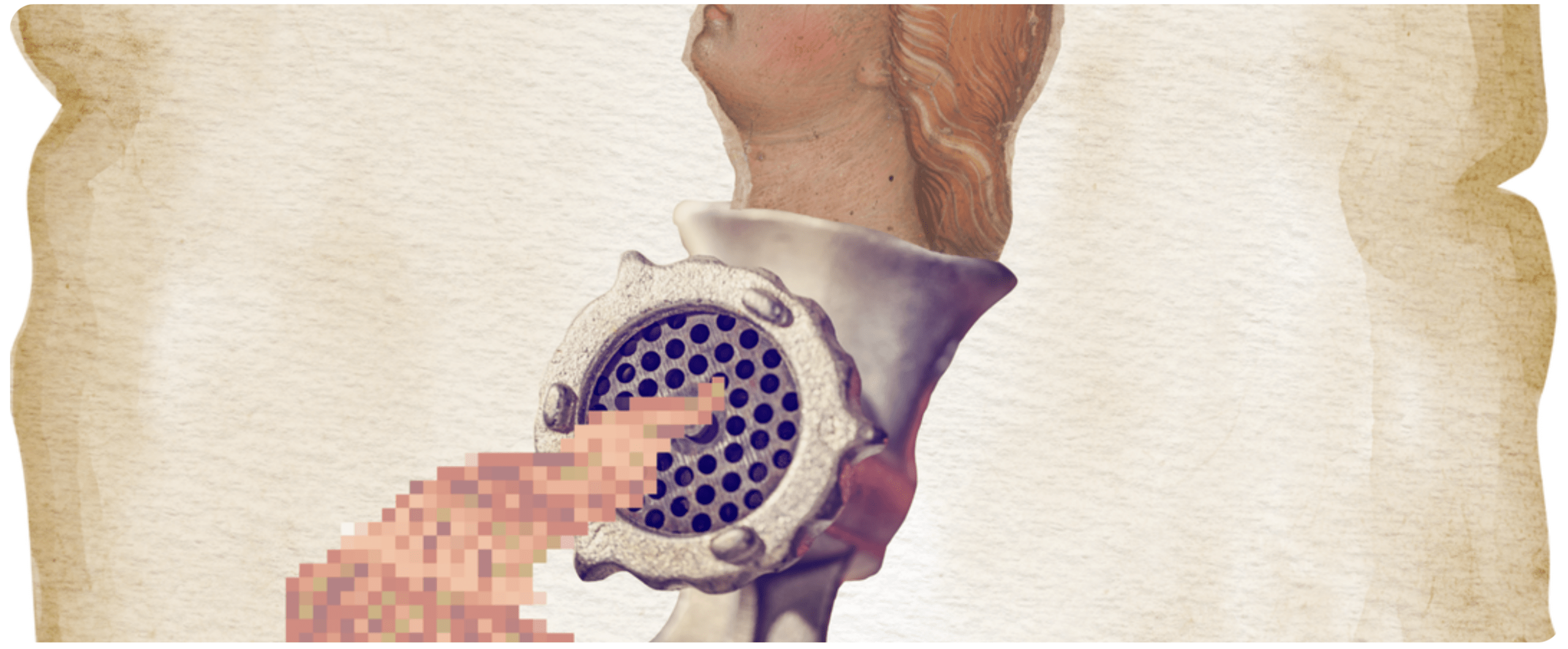
The answer lies not in the labs, but in the narratives. Since the first science fiction magazines, in the 1920s and 1930s, scientific progress has been celebrated through stories of space expansion that mirrored the dynamics of Western colonialism and imperialism. From there to the imaginary industries of Silicon Valley and Hollywood, these narratives exported to the entire planet a machinic vision of the future: accelerated time, metallic skin and screen glow as symbols of progress, efficiency and domination over nature.
The article traces this historical path to make a point that tends to go unnoticed in the debate on AI: neither literature nor technology are neutral social phenomena. Artificial intelligence systems draw from a specific narrative source, and that source carries colonial ideologies that shape what is considered possible, desirable and inevitable.
If imagination is contested, it can also be reclaimed. That is the gesture at the heart of the research: against the epistemic monoculture that mistakes the future for acceleration, “Compost Engineers y sus saberes lentos” proposes a reconnection with the land and with ancestral technologies that are regenerative for our territories — the slow knowledges left out by the vocabulary of “AI”.
The English version of the text was published in 2024 as a seed project of the Feminist AI Research Network f<A+i>r. In 2025, a shortened version came out in Branch Magazine, by Climate Action Tech.